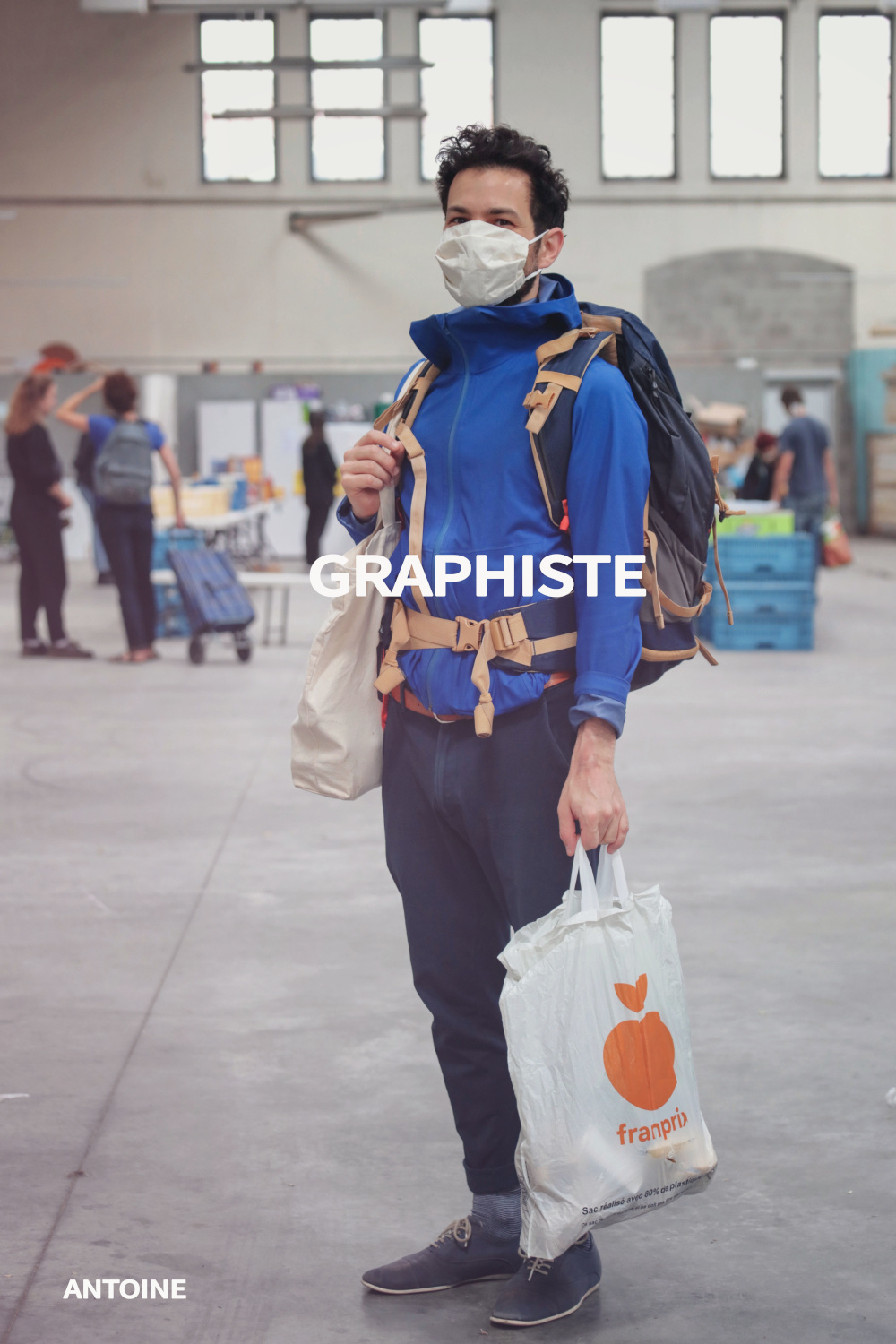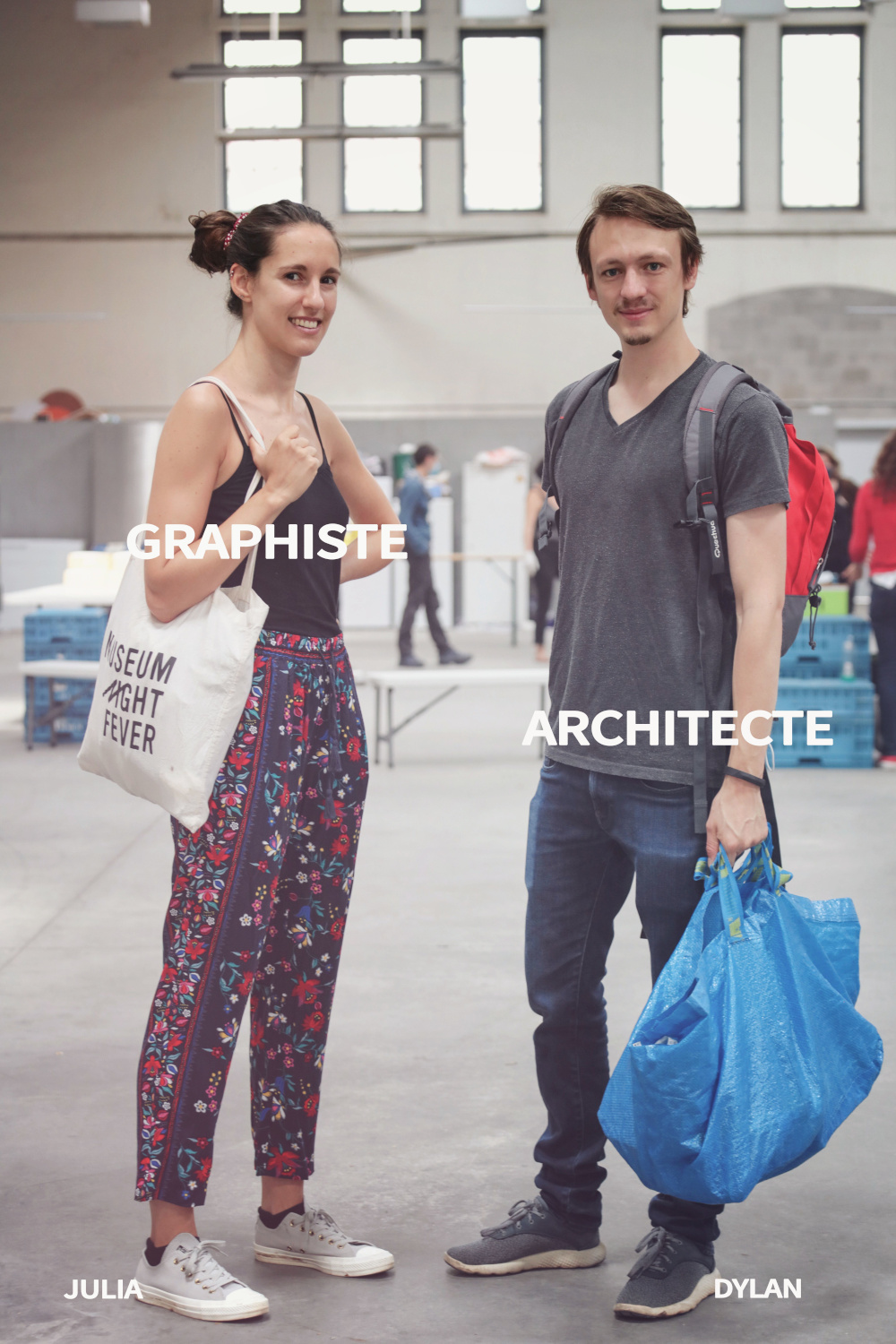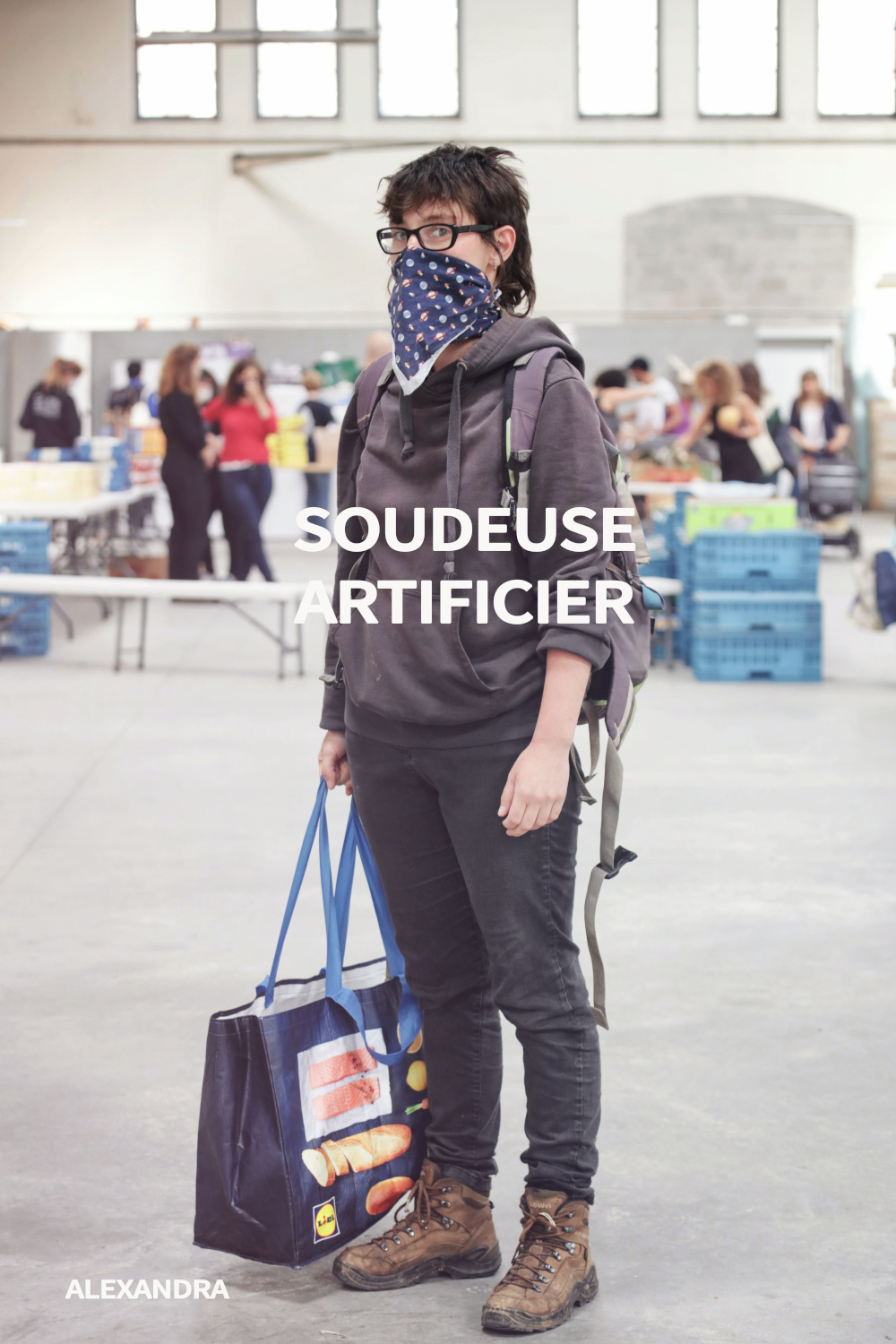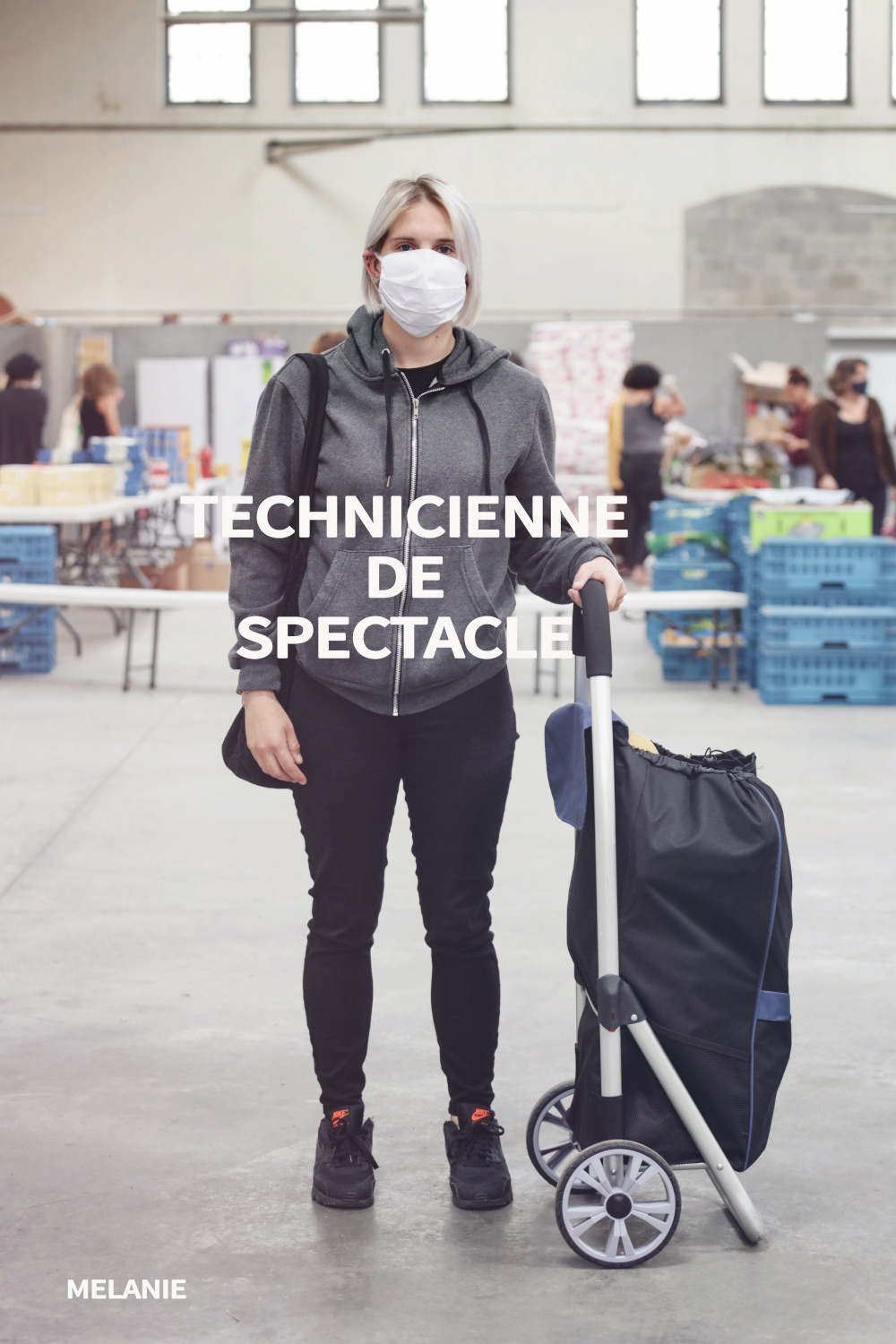
Social antenna for culture
With five years of experience in social support, the non-profit organisation Feed the Culture has decided to launch a study in 2024-2025 to reflect on the overall social action of the cultural and creative industries in the Brussels region.
Providing food distribution once a week and a few sessions with a psychologist does not meet the needs and expectations of the sector as a whole.
We know that with successive crises (COVID-19, Ukraine, energy crisis, political crises), changes in the status of arts workers, budget cuts, changes in cultural and education policy, and the rising cost of living, the cultural sector is on its knees.
Culture is inherently precarious. Wanting to make everyone self-employed or on permanent contracts is illusory. The sector does not and will never function in this way.
We are launching a two-part study (the first of its kind):
- Part 1: study
- Benchmarking of 85 Brussels-based support structures for cultural and creative industries (French-speaking and Dutch-speaking)
- Individual interviews with 38 individuals or structures (trade unions, cultural operators, professional federations, etc.)
- Part 2: recommendations
In September 2024, a think tank was set up.
Following a call for tenders, the company Supper was awarded the contract.
Feed the Culture would like to see the creation of a social centre exclusively for ICCs.
A physical and virtual space covering 2,000 m² offering the following services:
- Social assistance
- Mental health clinics
- Food distribution
- Legal assistance and support; violence in the workplace and gender-based and sexual violence
- A café
- Training courses and events
- An information service: thematic fact sheets (access to unemployment benefits, becoming a student, housing, artist status, etc.), joining forces and unionising, how to invoice, etc.
- Computer, printer, scanner and photocopier
- Postal address
- And many other services and programmes
All in French, Dutch and English for all artistic disciplines in the broadest sense (audiovisual, performing arts, architecture, crafts, fashion, design, video games, etc.) and for all statuses (students, employees, freelancers, unemployed people, artists with or without status, pensioners)
Feed the Culture wants to see a safety net created for the entire sector.
Soon, no one will want to do this job because it is so difficult. We are already losing talent in large numbers.